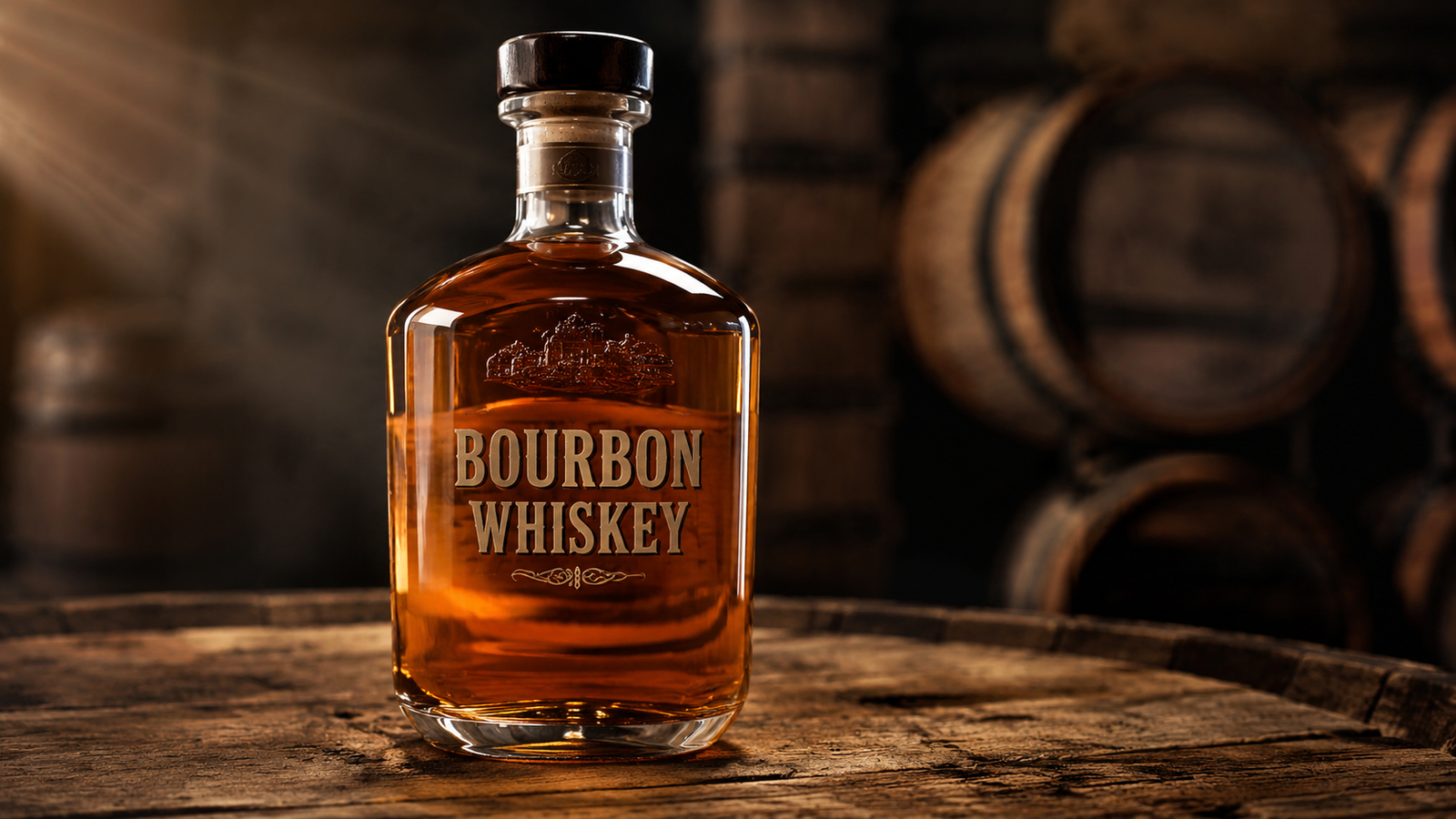
Bourbon whiskey is one of the well-known and respected spirit profiles in the world. Bourbon is becoming a popular choice among whiskey lovers with its full flavor, smoothness, and long-standing connection to American history. While this may seem like typical whiskey, bourbon has rules in place for its production that set the spirit apart.
The United States has long inspired many iconic spirits, and for almost two hundred years this particular one has had a special place in American culture. Whether originating from a small family-owned distillery or large international brand, bourbon remains popular among millions of consumers worldwide.
In this ultimate guide, you will learn about the history of bourbon whiskey, how its made, different types and flavor characteristics of bourbon, and top brands in it including its relevance to modern times.
What Is Bourbon Whiskey?
Bourbon whiskey is a style of American whiskey made mostly from corn. Bourbon has certain production standards as per the law in the US to what can legally be termed as bourbon.
The single biggest factor is that the mash bill — or grain mixture, which defines a whiskey category — must be at least 51% corn. It also has to be aged in charred new oak barrels and distilled according to federal laws.
Bourbon is one of the few spirits that does not have a minimum aging requirement to be classified as bourbon. Conversely, anything labeled “Straight Bourbon” has to stay in the barrel for at least two years.
Key Requirements for Bourbon Whiskey
| Requirement | Rule |
|---|---|
| Corn Content | Minimum 51% |
| Distillation Proof | Not more than 160 proof |
| Barrel Entry Proof | Not more than 125 proof |
| Barrel Type | New charred oak barrels |
| Additives | Not allowed |
| Country of Production | United States |
These rules help maintain the quality and identity of bourbon whiskey.
History of Bourbon Whiskey
Bourbon whiskey dates back to the late 18th century. Immigrants from Scotland, Ireland and Germany who started arriving in North America were known as European settlers that knew how to distill.
When settlers moved west into areas like Kentucky, they found corn to grow remarkably well. Corn was plentiful and cheap, so corn became the main grain used for whiskey making.
Early Development
In the 1700s and 1800s, farmers turned surplus corn into whiskey. It also created a commodity that was easy to store, transport and sell.
The origin of the name has long been a matter of debate, but most historians agree that it is named after Bourbon County, Kentucky.
Growth in Kentucky
With Kentucky having the ideal hot and cold climate, along with rich land and water filtered through limestone structures, it quickly became the home of bourbon. These natural resources played a role in the quality of whiskey produced there.
Bourbon whiskey became a huge part of the American economy by the nineteenth century.
Prohibition Era
Prohibition between 1920 and 1933 posed a serious threat to the bourbon industry. Many distilleries were shut down, and a few granted permission to make whisky for medicinal purposes.
The industry began to slowly recover and grow back after the end of Prohibition.
Modern Era
Today, bourbon whiskey is enjoyed worldwide. Exports continue to grow, and new craft distilleries are introducing innovative styles while respecting traditional production methods.
Read More: Old Monk Rum Price in India (2026) / Smirnoff Vodka / Magic Moments Vodka / Godfather Beer / Tuborg Beer Price
Bourbon Whiskey Price in India (2026)
Another question that comes to mind, among most whiskey lovers is How much does bourbon whiskey cost in India? One of the main reasons bourbon is much more expensive than the average locally produced whiskies has to do with it primarily being imported from America. The final retail price is determined by import duties, state taxes, transportation costs, and retailer margins.
The most popular bourbon brands in India are Jim Beam, Maker’s Mark, Woodford Reserve, Buffalo Trace, Wild Turkey 101, and Four Roses. The availability also tends to be better in metro cities like Delhi, Mumbai, Bengaluru, Hyderabad, Kolkata, and Chandigarh.
Popular Bourbon Whiskey Prices in India
| Brand | Bottle Size | Approximate Price |
|---|---|---|
| Jim Beam White Label | 750 ml | ₹1,800 – ₹3,000 |
| Jim Beam Black Label | 750 ml | ₹2,500 – ₹3,800 |
| Maker’s Mark | 750 ml | ₹3,700 – ₹4,600 |
| Buffalo Trace | 750 ml | ₹3,000 – ₹5,000 |
| Wild Turkey 101 | 750 ml | ₹2,800 – ₹5,500 |
| Woodford Reserve | 750 ml | ₹4,500 – ₹7,000 |
| Four Roses | 750 ml | ₹2,500 – ₹3,500 |
The actual retail price may vary depending on the city and local taxation policies.
State Wise Bourbon Whiskey Price in India
The table below shows approximate prices for premium bourbon whiskey bottles across different Indian states and cities.
| State/City | Jim Beam (750ml) | Maker’s Mark (750ml) |
| Delhi | ₹1,800 – ₹2,200 | ₹3,800 – ₹4,000 |
| Haryana | ₹1,900 – ₹2,300 | ₹3,700 – ₹3,900 |
| Punjab | ₹2,100 – ₹2,600 | ₹3,900 – ₹4,100 |
| Uttar Pradesh | ₹2,200 – ₹2,800 | ₹3,900 – ₹4,100 |
| Rajasthan | ₹2,200 – ₹2,700 | ₹3,850 – ₹4,050 |
| Chandigarh | ₹2,000 – ₹2,500 | ₹3,800 – ₹4,000 |
| Kolkata | ₹2,300 – ₹2,900 | ₹4,000 – ₹4,200 |
| Mumbai | ₹2,400 – ₹3,500 | ₹4,200 – ₹4,500 |
| Bengaluru | ₹2,200 – ₹2,600 | ₹4,300 – ₹4,600 |
| Hyderabad | ₹2,300 – ₹2,900 | ₹4,100 – ₹4,300 |
Prices are indicative and may change due to government taxes, import duties, and retailer pricing policies.
How Bourbon Whiskey Is Made
The production process of bourbon whiskey combines science, tradition, and craftsmanship.
1. Grain Selection
The mash bill usually contains:
- Corn (minimum 51%)
- Rye
- Wheat
- Malted barley
Each grain contributes unique flavors to the final product.
Typical Mash Bill Example
| Grain | Percentage |
|---|---|
| Corn | 70% |
| Rye | 15% |
| Malted Barley | 15% |
Some distilleries replace rye with wheat to create a softer flavor profile.
2. Milling
The grains are ground into a coarse flour known as grist.
3. Mashing
The grist is mixed with water and heated. This process converts starches into fermentable sugars.
4. Fermentation
Yeast is added to the mash. During fermentation, sugars are transformed into alcohol and carbon dioxide.
This stage usually lasts several days.
5. Distillation
The fermented liquid is distilled to increase alcohol concentration while preserving flavor compounds.
6. Aging
Freshly distilled bourbon is placed into new charred oak barrels.
The interaction between the spirit and the wood creates many of the flavors associated with bourbon whiskey, including:
- Vanilla
- Caramel
- Oak
- Toffee
- Spice
7. Bottling
After aging, the bourbon is filtered and bottled for sale.
Why New Charred Oak Barrels Matter
One of the defining characteristics of bourbon whiskey is its aging process.
The barrels used must be:
- Brand new
- Made from oak
- Charred on the inside
The charring process creates a layer of carbon that helps filter the spirit and contributes rich flavors.
Flavor Contributions from Oak
| Flavor | Source |
|---|---|
| Vanilla | Oak lignin |
| Caramel | Charred wood sugars |
| Spice | Wood compounds |
| Smoky Notes | Barrel char |
| Toasted Flavors | Heat treatment |
This barrel influence is a major reason why bourbon whiskey develops such complexity.
Types of Bourbon Whiskey
Several categories exist within the bourbon family.
Straight Bourbon
Aged for at least two years and contains no added coloring or flavoring.
Small Batch Bourbon
Produced by blending whiskey from a limited number of barrels.
Single Barrel Bourbon
Bottled from one individual barrel rather than a blend.
Wheated Bourbon
Uses wheat instead of rye as the secondary grain.
Barrel Proof Bourbon
Bottled directly from the barrel with minimal dilution.
Flavor Profile of Bourbon Whiskey
The flavor of bourbon whiskey can vary depending on ingredients, aging conditions, and barrel characteristics.
Common Tasting Notes
- Caramel
- Vanilla
- Brown sugar
- Honey
- Oak
- Cinnamon
- Nutmeg
- Dried fruit
- Chocolate
- Toasted nuts
Older bourbons generally display deeper and more complex flavors.
Kentucky and Bourbon Whiskey
Although bourbon can legally be produced anywhere in the United States, Kentucky remains the industry’s heartland.
More than ninety percent of the world’s bourbon production occurs in Kentucky.
Why Kentucky Is Important
- Ideal climate for aging
- High-quality limestone water
- Long distilling tradition
- Experienced workforce
These factors have helped Kentucky maintain its reputation as the leading bourbon-producing region.
Famous Bourbon Whiskey Brands
Many respected brands have contributed to the popularity of bourbon around the world.
Popular Examples
| Brand | Known For |
|---|---|
| Jim Beam | Large-scale production |
| Maker’s Mark | Wheated bourbon |
| Wild Turkey | Bold flavor |
| Woodford Reserve | Premium quality |
| Buffalo Trace | Traditional craftsmanship |
| Four Roses | Unique mash bills |
| Elijah Craig | Rich oak character |
Each producer offers a distinct interpretation of bourbon whiskey.
How to Drink Bourbon Whiskey
There is no single correct way to enjoy bourbon.
Neat
Served without ice or mixers.
With Water
A few drops of water can reveal additional aromas.
On the Rocks
Ice gradually changes the flavor and texture.
In Cocktails
Popular bourbon cocktails include:
- Old Fashioned
- Manhattan
- Whiskey Sour
- Mint Julep
These drinks showcase bourbon’s versatility.
Bourbon Whiskey in American Culture
Bourbon has become more than just a beverage. It represents craftsmanship, heritage, and regional pride.
Many distilleries attract visitors from around the world through tours, tastings, and educational experiences.
Bourbon also plays a significant role in:
- Tourism
- Hospitality
- Agriculture
- Manufacturing
- International trade
Its cultural importance continues to grow each year.
Economic Importance of Bourbon Whiskey
The bourbon industry supports thousands of jobs across the United States.
Major Economic Contributions
| Sector | Impact |
|---|---|
| Farming | Corn production |
| Cooperage | Barrel manufacturing |
| Tourism | Distillery visits |
| Transportation | Distribution networks |
| Hospitality | Restaurants and bars |
Growing international demand has further strengthened the industry’s economic influence.
Read More: Indri Whisky Price in India 2026 / Otsu Whiskey Price in India 2026 / London Pride Whisky Price in India (2026)
Interesting Facts About Bourbon Whiskey
- Bourbon must contain at least 51% corn.
- It can be produced anywhere in the United States.
- New charred oak barrels are mandatory.
- Kentucky produces the majority of the world’s bourbon.
- Bourbon is considered a distinctive product of the United States.
- Aging conditions significantly affect flavor development.
- No artificial flavors or colors can be added to straight bourbon.
These facts highlight the unique identity of bourbon whiskey.
The Future of Bourbon Whiskey
The demand remains in the chain of premium spirits among consumers. This has led bourbon makers to increase production and become more creative with the aging of their product as well as different types of barrel finishes.
New craft distilleries are also coming up with exciting products for today’s drinkers.
And at the same time, old world traditions have kept a backbone to bourbon whiskey, allowing future generations to find their way through an ever-shaping climate of spirits.
Conclusion
Bourbon whiskey is the most iconic and recognizable spirit in the world. It’s history has easily one of the best representations of American culture, while its methods of production show the importance of tradition and craftsmanship.
Aged in new charred oak barrels, bourbon made from a corn-based mash bill has interesting flavor notes—vanilla, caramel, oak, and spice. Bourbon continues to appeal to novice drinkers and experienced professionals alike, whether neat, with water or on the rocks or in mixed drinks.
Bourbon whiskey has come a long way from its humble origins on the American frontier to its current status as an internationally revered spirit.
FAQs About Bourbon Whiskey
1. What makes bourbon whiskey different from other whiskeys?
Answer: Bourbon must contain at least 51% corn and be aged in new charred oak barrels according to U.S. regulations.
2. Is bourbon only made in Kentucky?
Answer: No. Bourbon can be produced anywhere in the United States, although Kentucky remains the leading producer.
3. How long is bourbon aged?
Answer: There is no minimum aging requirement for bourbon, but straight bourbon must be aged for at least two years.
4. Can bourbon contain additives?
Answer: No. Bourbon regulations prohibit the addition of flavoring and coloring agents.
5. What flavors are commonly found in bourbon whiskey?
Answer: Common flavors include vanilla, caramel, oak, honey, spice, chocolate, and toasted nuts.
6. Is bourbon whiskey considered an American product?
Answer: Yes. Bourbon is officially recognized as a distinctive product of the United States.
For more information on Indian whisky pricing and reviews, visit MadirakPrice — your trusted source for alcohol pricing in India.