
Buying wine for home sounds pretty straightforward. Pick a bottle, pay for it, take it home. But once wine becomes something you buy regularly, a few other things start to matter. What’s the bottle actually for? How much do you want to spend? And probably the part that gets ignored most often, where’re all those bottles going to be kept?
For one or two bottles, storage isn’t much of a problem. Once the collection starts growing, though, it can become one.
Start with Why You’re Buying It
Not every bottle needs to be bought for the same reason. If the wine is mainly for weeknight dinners, there is no real need to spend a fortune. A reasonably priced bottle that works with different foods is often much more useful than something expensive that only gets opened once in a while.
Dinner parties are a little different. The food usually gives a good starting point. A lighter wine can work nicely with lighter dishes, while richer food tends to call for something with a bit more weight.
Then there’re wines bought to keep. That’s where things get more complicated. Some wines are made to develop over time, but plenty aren’t. Buying a bottle because it looks like something that should be kept for years doesn’t necessarily make it a good candidate for the back of a cupboard.
Pay Attention to What You Actually Like
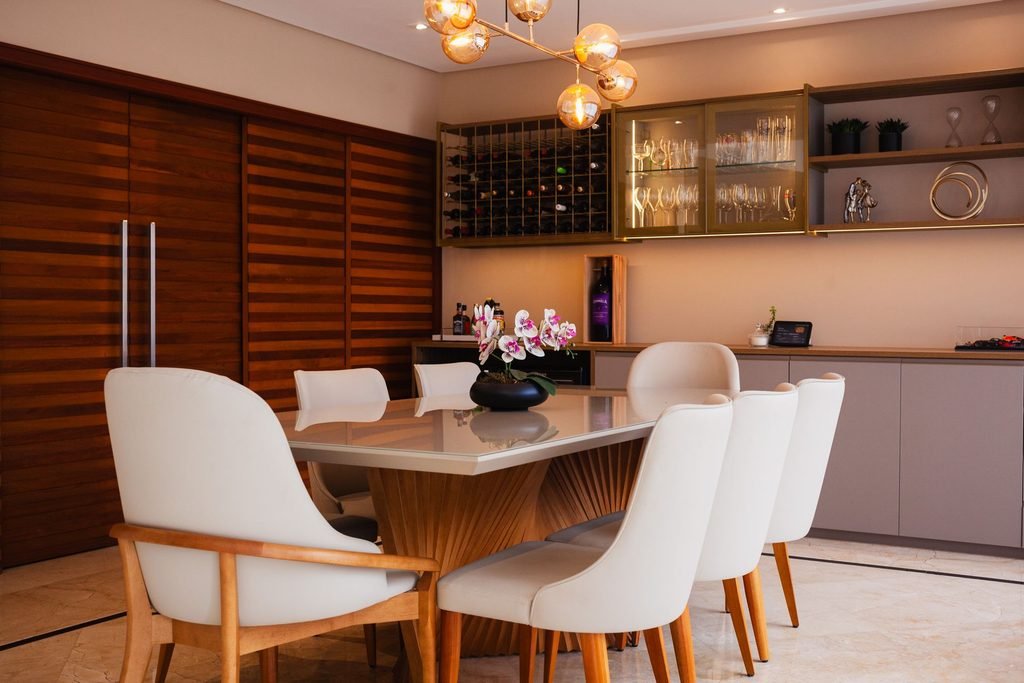
Wine shopping gets much easier once there’s a better idea of personal taste. Some people prefer dry wines. Others like something with more sweetness. Then there’s acidity, body, tannin, fruit character and all the other terms that can make a wine label seem unnecessarily complicated. There’s no point buying a wine simply because everyone else seems to like it if that style isn’t enjoyable.
Grape variety is a useful thing to keep track of. So are regions and producers. If a particular style has worked well before, that gives a much better starting point for the next purchase than simply picking the most expensive bottle on the shelf.
Don’t Let the Price Decide Everything
More expensive doesn’t automatically mean better. It’s not required to spend a lot of money on each bottle for a regular evening meal. However, always purchasing the least expensive alternative can quickly turn boring, particularly when serving wine to visitors.
Finding right options within a price range that seems realistic is a better strategy. It’s worthwhile to look outside the well-known wine regions as well. Surprisingly nice bottles may be found from less well-known producers without the same brand pricing.
Think About Storage Before Buying More
Storage usually isn’t something people think about when they are standing in a shop choosing wine. It should be. A few bottles can sit somewhere out of the way and nobody really notices. Twenty, thirty or more bottles are a different matter.
Wine generally does better in a cool, stable place away from direct sunlight and large temperature changes. Leaving bottles on a sunny kitchen counter or beside an oven might be convenient, but it isn’t a great long-term setup.
Corks are another consideration when wine is being stored for longer periods. Humidity matters more in those situations, particularly with natural cork closures.
The amount of time the wine is expected to sit around matters too. A bottle being opened next weekend doesn’t need the same storage planning as one intended to be kept for several years.
Watch Out for the Usual Storage Problems
One of the easiest mistakes is simply buying more wine than the available space can handle. The first few bottles have a proper place. Then a few more arrive. Suddenly there are bottles on top of cupboards, behind other bottles and in whatever spare corner happens to be available. That’s when organisation starts becoming important.
Another common mistake is treating every wine as something that needs to be aged. Most wine bought for normal home drinking is not going to sit around for years. Keeping everyday bottles separate from wines that are actually worth ageing makes things much easier.
It also helps to know what’s in the collection. If finding a particular bottle means moving six others out of the way first, the storage setup probably needs some attention.
Make the Space Work Harder
Not every home has room for a wine cellar, and honestly, most people don’t need one. What matters more is using the available space sensibly. A small collection can usually be managed with basic shelving or a compact rack. As the number of bottles increases, though, storage design becomes more important. Using space vertically or making better use of depth can add capacity without taking over an entire room.
For larger collections, double depth wine racks are one option worth considering. They allow bottles to be stored in two rows, which can be useful when floor or wall space is limited. The main thing is making sure the arrangement still allows bottles to be identified and reached without turning the collection into a puzzle.
Think About the Next Few Purchases
Wine collections have a funny way of growing. Three bottles bought here and four bought there don’t seem like much. Do that regularly for a year and suddenly there’s a real storage problem.
Before buying another case, it’s worth looking at the space available and thinking about how quickly those bottles will actually be consumed. Discounts can make buying in larger quantities tempting, but cheaper bottles aren’t much of a bargain if there is nowhere sensible to keep them.
The same applies when buying wines intended for ageing. Storage needs to be considered before the purchase, not after. Good wine storage doesn’t have to be complicated or expensive. For most homes, the basics are fairly simple: keep bottles somewhere stable, dark and suitable, organise them properly and don’t buy more than the space can handle.
The best approach is really just to think a little further than the bottle itself. Buy wine that suits the occasion, stay within a comfortable budget, and make sure there is a sensible place waiting for it at home. That way, when the bottle is finally opened, the focus can stay where it belongs – on the wine, the food and the people sitting around the table.