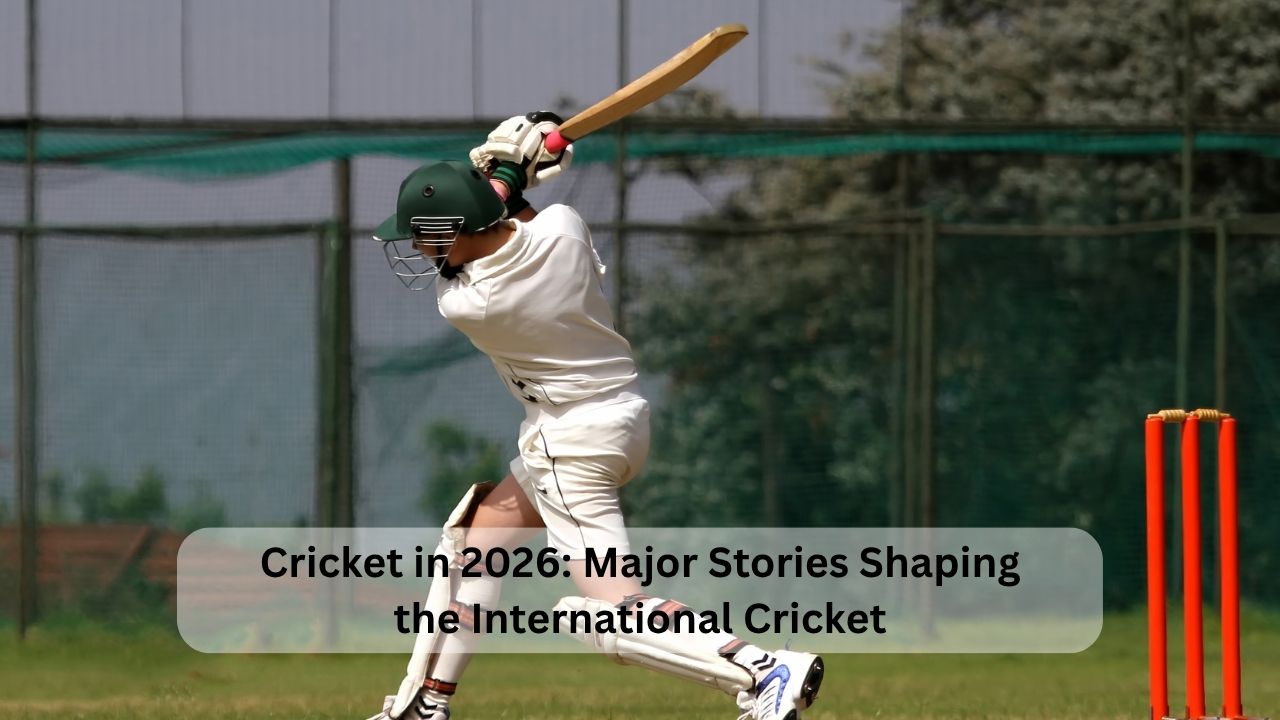
The 2026 cricket season is back to being something innovative and disruptive. The sport has come out of its traditional shell, becoming a global entertainment product shaped by franchise leagues and the changing technology and motivating factors that influence players. The structure of cricket has endured, but everything around the edifice has transformed — how it is played and digested and what it makes money off. There are a few big themes influencing the trajectory of the world’s game in this year.
The IPL’s Ongoing Influence
In 2026, the Indian Premier League (IPL) is still the king of the jungle in cricket. It is the standout T20 tournament in terms of both performance and commercial viability, bringing with it the most lucrative contracts. Once again, this season has highlighted the league’s talents at mingling up-and-coming players with established stars.
The impact has been immediate and demonstrates how IPL has proved to be a launch pad for stardom on the world stage. Meanwhile, veterans keep emerging with match-saving performances, ensuring that the quality of play in league remains high. One of the defining trends this season has been how often games have had score totals toppled, with what were once called over/under now routinely set at 200.
Part of this is down to the IPL’s financial clout, too. It affects international scheduling, player availability and even the attention of cricket boards. In many ways the league has become the gravitational centre of modern cricket.
Expansion of Franchise Cricket Worldwide
Across the globe, apart from India, franchise cricket is exploding. It is a model that is picking up steam in countries such as the United States, highlighting cricket’s attempts to crack nontraditional markets. That expansion is increasing the sport’s global footprint while also creating new commercial opportunities.
There were many more international stars playing in those leagues, however, in 2026. This adds to the globalisation of the game with players more open now than ever before to consider options outside their homeland. This trend is helping cricket tap into audience segments beyond its traditional frontiers as well as improving the quality of competitions all around the world.
But the proliferation of leagues posed new complications. Clashing schedules and competing interests are posing a challenge to reconcile domestic leagues with international obligations. It makes this ecosystem problematic to manage well.
Changing Dynamics of Player Careers
The biggest change in 2026 may be the way players treat their careers. Franchise cricket has opened other paths that ensure financial security and international exposure. As a result, players are choosing which formats and tournaments to prioritise.
For some cricketers, T20 leagues are the real deal, but others still consider international cricket the highest echelon of their craft. This double movement is altering just how careers are defined, with players splitting their time between formats and competitions.
Franchise contests are also extending the careers of veteran players. Meanwhile, younger players are using these platforms as a springboard to international stardom. These sorts of new dynamics are reshaping the cricketing order.
Technology and Data-Driven Cricket
The game of cricket has become more technology-driven in 2026. Teams are using sophisticated analytics for competitive advantage, analysing player performance and pitch conditions and match situations in real time.
AI and data science are also enhancing the fan experience. Technology is driving engagement and accessibility in cricket, be it through predictive analytics or interactivity for the viewer at the fore of this. Furthermore, fans can now take a deeper look at what happens on and off the pitch and discuss it in real time while watching games for an even more engaging experience.
A combination that is not just raising performance standards on the field but also transforming the nature of how the game is consumed off it.
An Increase in High-Scoring Games, Along With Strategies Changing
High-scoring matches in cricket have become one of the prominent features these days, especially in limited overs formats. In 2026, make sure everyone looks to hit big from the first ball and attacking batting plans are the norm for teams.
Innovations like flexible combinations and tactical substitutions have prompted experimentation. In this environment, however, players with multiple skills — all-rounders in particular — have become ever more valuable.
Consequently, the evolution of bowlers has been new variations and methods that come in line with batsmen. This, I would argue — the rise and fall of bat versus ball — is one reason Test cricket remains so unpredictable and fascinating. In this environment of fast-paced T20 action, fans can also access features like IPL match prediction today to stay ahead of the game.
Globalisation of Talent
Cricket is not only gaining popularity but also becoming a game full of inclusivity and diversity. Franchise competitions provide opportunity for talented groomers and breeders worldwide.
This globalisation is enriching the sport: stylistic and otherwise. It is also making leagues more balanced, with teams able to draw from a deeper pool of talent.
With more countries prioritising cricket as an athletic and entertainment industry market, the game’s world map will likely expand even wider in the decades to come.
Challenges Facing the Modern Game
While the game has grown, cricket in 2026 has a share of its own problems. Scheduling conflicts, with an increasingly packed calendar making it impossible to squeeze everything in and cater to all formats and tournaments.
Player workload is another concern. Moreover, the rigours of competing in multiple events inevitably lead to fatigue and injury. Finding a balance between it and physically competing is a difficult task.
The same for external factors such as political tensions and administrative resolution that affect the competition’s importance. It will be vital for the sustainability of cricket’s expansion that these challenges are addressed.
The Evolution of Fan Engagement
For sure, the view of fans has changed quite a bit over the past few years. Digital platforms have transformed how audiences engage with cricket in terms of live updates, streaming and interactive quality.
Mobile apps and online platforms are increasingly at the centre of the fan experience. It means that such services, like the 10cric app download, are at the peak of their usage. Fans are not passive spectators anymore but participate in conversations of speculation and extrapolation.
This evolution also creates fresh monetisation potential and is extending the sport’s appeal to younger fan bases.
The Future of International Cricket
Franchise cricket has expanded at an incredible rate, fuelling debates over the sustainability of worldwide formats. Test cricket is under scrutiny from shorter, faster formats.
One-Day Internationals, likewise, are in the midst of their own transition as they seek to grab interest in an ever-crowded programme. International cricket needs to be a key magnet; however, once audience demographics shift, how will governing bodies ensure that?
That must be the case for the welfare and integrity of the sport.