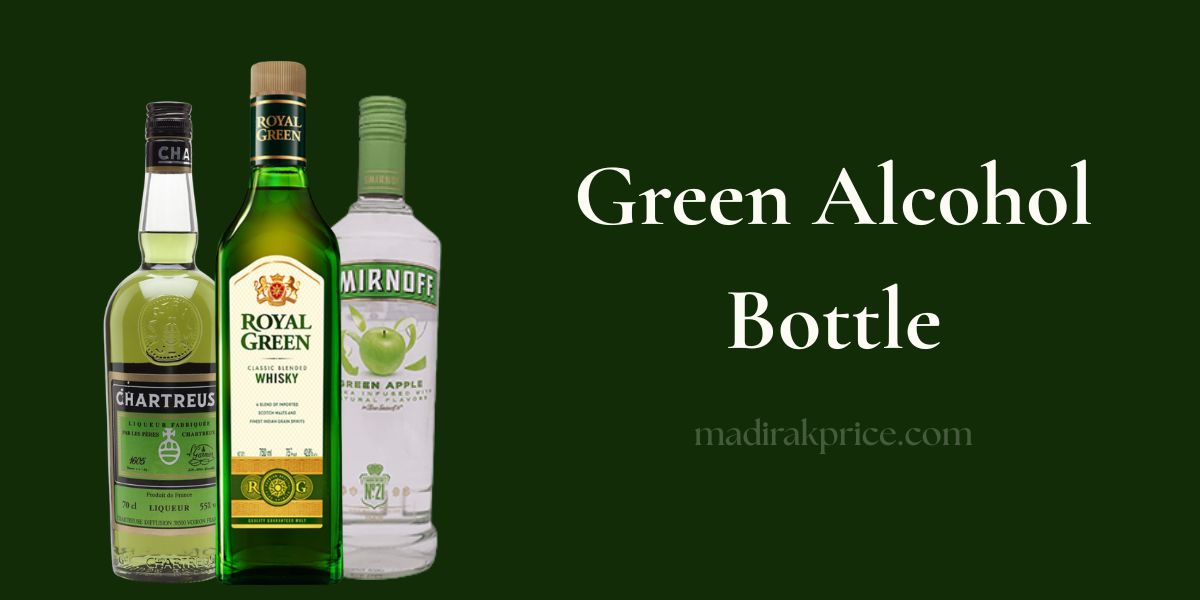
If you’ve ever been to a liquor store, you may have noticed that many of the bottles — particularly those containing beer and wine — are green. But why would that be? The green alcohol bottle is more than just a design decision, as it has practical and historical significance. From safeguarding what’s inside to traditional branding, green bottles are a time-honored choice in the alcohol biz.
In this post, we’ll discuss what makes the green alcohol bottle so unique, its benefits, varieties and favored brands that have it in use.
What Is a Green Alcohol Bottle?
Green alcohol bottle is a generic term for an alcohol bottle made from green-colored glass. It can vary from pale lime to dark emerald in color. The sizes below are bottle sizes found for dozens of different beer, wine and spirit manufacturers.
The color isn’t just for looks — it protects the contents from ultraviolet (UV) light, which can spoil and downgrade the flavor of alcohol with age.
Why Are Alcohol Bottles Green?
The use of green bottles goes back to at least medieval times. Glassmakers were originally unable to make perfectly clear glass because of iron impurities in the sand — coloring the material a natural green. In time, the green color in beer and wine packaging became synonymous with quality and authenticity.
Here are some key reasons why manufacturers still prefer green bottles:
| Reason | Explanation |
|---|---|
| Light Protection | Green glass blocks UV rays, preventing light damage and preserving taste. |
| Tradition and Branding | The color green is now a symbol of heritage and authenticity in many brands. |
| Aesthetic Appeal | Green bottles look attractive and premium, appealing to consumers. |
| Environmental Benefits | Green glass is recyclable and often made from recycled materials. |
Types of Green Alcohol Bottles
Variations of green are used for specific effects and represented different alcohol. Below is a quick guide:
| Shade of Green | Commonly Used For | Example Brands |
|---|---|---|
| Light Green | White wine, cider | Jacob’s Creek, Yellow Tail |
| Emerald Green | Beer, champagne | Heineken, Perrier-Jouët |
| Olive Green | Red wine, whiskey | Chianti, Glenfiddich |
| Dark Green | Premium spirits | Tanqueray, Jägermeister |
All types of green afford various degrees of protection from light. Darker greens have a higher performance in the filtering of UV rays, which is good for drinks with long shelf life.
Read More: Blenders Pride Price in Kolkata / Royal Stag 750ml Price
Popular Brands Using Green Alcohol Bottles
Some of the world’s most celebrated alcohol brands have incorporated green bottles into their branding. Here are a few examples:
| Brand Name | Type of Alcohol | Bottle Shade | Reason for Use |
|---|---|---|---|
| Heineken | Beer | Emerald Green | Brand identity and freshness preservation |
| Tanqueray | Gin | Dark Green | Classic, premium appearance |
| Jägermeister | Herbal Liqueur | Deep Green | Distinctive look and UV protection |
| Beck’s | Beer | Light Green | Recognizable and eco-friendly |
| Glenfiddich | Scotch Whisky | Olive Green | Traditional Scotch look and brand image |
These are brands that use the green alcohol bottle not just for protection but as a marketing item. A green bottle is immediately appealing and is a mark of quality for the consumer.
Advantages of Using Green Alcohol Bottles
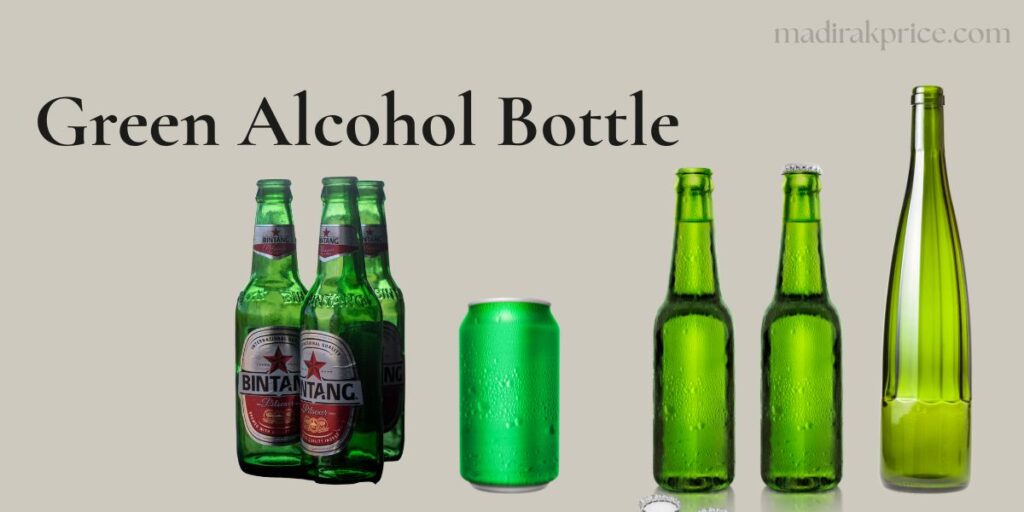
There are several advantages to making wine from green glass, for both producers and consumers:
- Prevents Spoilage:
Green glass bottles shield beer and wine from harmful UV light, which can cause those to develop a “skunky” off-flavor. - Sustainability:
The majority of green bottles are formed with recycled glass which is environmentally-friendly and reduces waste products. - Brand Differentiation:
The green bottles help make certain brands instantly recognizable on shelf. - Premium Feel:
The green color brings tradition, luxury and trust. - Versatility:
Prefer for various types of alcohol such as beer, wine, gin and liqueur.
Green Bottles vs. Brown and Clear Bottles
Though green bottles strike us as firmly traditional, they are hardly the only color employed to package alcohol. Let’s see how they compare:
| Bottle Color | Light Protection | Common Use | Visual Appeal |
|---|---|---|---|
| Green | Moderate | Beer, wine, gin | Classic and elegant |
| Brown (Amber) | High | Beer, whiskey | Strong light protection |
| Clear (Flint) | Low | Vodka, rum, liqueur | Premium, modern look |
Brown bottles shield better against light exposure than green bottles do, but the latter are more closely connected to both style and brand history. Spirits that are sold in clear bottles, if one even does exist; visuals over light-blocking.
Environmental Aspect of Green Alcohol Bottles
Green glass bottles are one of the most planet-friendly packaging methods widely used in the alcohol category. They are fully recyclable and can be used again and again without quality loss. Many distilleries and breweries have adopted an environmentally friendly production, and customers are now being encouraged to recycle green bottles so as to reduce the damage on environment.
It also decreases the demand for raw materials, such as sand and soda ash, so less energy is used, and fewer carbon emissions produced.
The Symbolism of Green in Alcohol Packaging
Green is the color of freshness, nature and rejuvenation. It is also heritage and craftsmanship in alcohol. Green bottles (like Jack Daniel’s) Nicer brands also go with the green to emphasize authenticity and the natural products in it.
For consumers, green is a color that conveys trust and nostalgia; this harkens back to something classic — an ageless element that bridges the gap between the past and what’s new.
Conclusion
A little green alcohol bottle that has traveled through history from necessity to design icon. It protects against light, is sustainable and supports brand identity. – These are the bottles behind iconic brands such as Heineken beer and Tanqueray gin that are top of mind today still, representing quality, heritage and sophistication.
Whether you’re a producer selecting the perfect bottle to package your product or a consumer looking for their favorite beverage, an appreciation behind what goes into green bottles offers an insight into what’s inside.
FAQs
Q1. Why are alcohol bottles green?
Green bottles protect drinks from sunlight, prevent spoilage, and have become a symbol of heritage and quality in the alcohol industry.
Q2. Which alcohol brands use green bottles?
Popular brands include Heineken, Tanqueray, Jägermeister, Beck’s, and Glenfiddich.
Q3. Is green glass better than clear glass for alcohol?
Yes. Green glass provides moderate UV protection, keeping the alcohol fresh longer, unlike clear glass, which offers minimal protection.
Q4. Are green bottles recyclable?
Absolutely. Green bottles are 100% recyclable and can be reused indefinitely without losing quality.
Q5. What type of alcohol usually comes in green bottles?
You’ll find beer, wine, gin, and certain liqueurs commonly packaged in green bottles due to their light protection and aesthetic value.